

What is Depression

Depression is a mental health condition that affects mood, energy, thinking, and your daily life. It’s more than feeling sad or unmotivated and doesn’t improve by simply pushing through. It varies from person to person, with some experiencing an overwhelming feeling all at once, while others have a slow burn.
Symptoms of Depression
- Persistent low mood that doesn’t lift, even during positive moments
- Loss of interest or pleasure in things that once felt meaningful
- Fatigue or low energy that makes daily tasks feel overwhelming
- Changes in sleep, appetite, or weight without clear reason
- Feelings of guilt, worthlessness, or harsh self-criticism
- Difficulty concentrating, making decisions, or staying focused
According to Stats Canada 2022 Mental Disorder Survey, 14% of Canadians will experience a major depressive episode in their lifetime, with only 21% of Canadians that experience a mood disorder visit a psychotherapist. At 101 Psychotherapy, we understand that this is not a sign of weakness, but a treatable condition. Visit our depression therapists in Vaughan to get the help you need today!
Book an AppointmentTypes of Depression
Major Depressive Disorder (MDD)
When your mood is consistently low and you have loss of interest, significantly disrupting daily life.
Seasonal Affective Disorder (SAD)
Usually happens in winter thanks to the shorter days, often affecting energy, sleep, and motivation.
Persistent Depressive Disorder (Dysthymia)
A longer-lasting, slow burn depression where feeling “off” or drained is normal.
Bipolar Depression
The depressive phase of bipolar disorder, involving deep lows that alternate with periods of elevated or irritable mood.
Postpartum Depression
A serious condition after childbirth involving intense anxiety, sadness, and stress, lasting over 2 weeks and is usually linked to hormonal changes.
Atypical Depression
Often includes mood reactivity, heavy fatigue, increased sleep, and sensitivity to rejection, despite brief mood improvements.
101 Psychotherapy – Always caring, always here
How we Treat Your Depression
Our Vaughan psychotherapy clinic work closely with you to understand how depression shows up in your daily life. We focus on patterns, how your thoughts, routines, relationships, and stress responses interact, and build a personalized treatment plan that’s realistic. Your custom plan would include short-term goals, and long term milestones to both manage and measure progression.
Our depression therapists in Vaughan often use evidence-based approaches like Cognitive Behavioral Therapy (CBT), to identify negative thinking cycles, and help you develop coping skills. Below are some common practices we use during our depression therapy sessions.
Cognitive Behavioural Therapy (CBT)
Helps identify and shift the thought patterns and behaviors that keep depression active and reinforce low mood.
Mindfulness-Based Therapies
Build awareness of emotional patterns and reduce rumination, helping you respond rather than react to depressive thoughts.
Dialectical Behavioural Therapy (DBT)
Teaches skills for managing intense emotions, increasing distress tolerance, and reducing shutdown or avoidance.
Interpersonal Therapy (IPT)
Addresses relationship stress, role changes, and unresolved conflict that often contribute to or maintain depression.
Take the First Step Toward Hope – Start Depression Support Now
Benefits of Depression Therapy
- More stable mood – Reduce emotional lows and create steadier day-to-day emotional balance.
- Improved motivation – Rebuild momentum and follow-through without relying on pressure, guilt, or burnout.
- Clearer thinking – Get rid of negative thought loops and improve focus, clarity, and decision-making.
- Healthier self-talk – Shift harsh inner criticism into more balanced, realistic, and supportive thinking.
- Better sleep and routines – Support healthier sleep patterns, daily structure, and energy regulation.
- Stronger relationships– Improve communication, connection, and emotional availability with others.
- Long-term coping skills – Develop practical tools to manage future stress and prevent relapse.
Visit Our Depression Therapists In Vaughan
Our Process
step 1
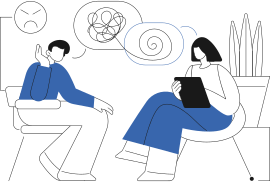
Mood & Pattern Assessment
We explore your mood history, energy levels, thinking patterns, and daily routines to understand what’s happening.
step 2
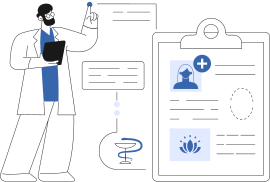
Personalized Recovery Plan
Together, we build a focused plan targeting negative thought cycles, withdrawal, and loss of motivation.

step 3
Therapy Sessions
Introduce practical tools to challenge self-critical thinking and reintroduce meaningful activity step by step.
step 4
Progress Tracking
We regularly measure changes in mood, refining strategies to guarantee steady, sustainable improvement.
Frequently Asked Questions
Is depression a disability?
Depression can be considered a disability if it substantially limits daily functioning, work, or social participation. Recognizing it as such can open access to accommodations, support, and resources while receiving therapy.
How do I know my depression is getting worse?
Depression may be worsening if you notice increased fatigue, persistent sadness, withdrawal from activities, or more intense negative thoughts. Changes in sleep, appetite, or motivation can also signal that symptoms are escalating, and it’s important to reach out for support before they become overwhelming.
What is depression caused by?
Depression usually results from a combination of genetic, environmental, and psychological factors. Life stressors, trauma, chronic illness, or chemical imbalances in the brain can all contribute, and each person’s experience is unique.
Why is depression more prevalent in women than in men?
Biological, hormonal, and social factors all play a role. Women often face hormonal changes, societal pressures, and higher rates of trauma or caregiving stress, which can contribute to a greater likelihood of experiencing depression.
Why is depression often mistaken for dementia?
Severe depression can affect memory, attention, and decision-making, making it look similar to early cognitive decline. Unlike dementia, these changes are usually reversible with proper treatment, which is why accurate assessment and depression therapy are so important.
What is Postpartum Depression (PPD)?
PPD is a form of depression that occurs after childbirth, affecting mood, energy, and bonding with the baby. It’s common and treatable, and depression therapy can help new parents navigate the intense emotional changes during this period.
A Safe Space for Healing, Balance and Growth.
Don’t Wait – Book Your Session!
Your well-being starts with reaching out. Our specialists are here to listen, support, and guide you toward healing and balance. Book an appointment with our depression therapists in Vaughan or virtually!