

Supporting A Calm Mind
What is a Panic Disorder?

Panic disorder goes beyond typical stress or nervousness, it is a terrifying surge of intense fear that strikes without warning, often when there is no actual danger present.
These panic attacks trigger severe physical reactions that can mimic a heart attack or medical emergency, leaving you constantly on edge waiting for the next one to happen. It traps you in a cycle of “fear of the fear,” where your stop experiencing life to the fullest to avoid potential triggers.
Symptoms of Panic Disorder
- A pounding or racing heart
- Feeling lightheaded or dizzy
- Shortness of breath
- Fear that you’re dying, losing control, or going insane
- Sharp pain or tightness in your chest
- Uncontrollable shaking or trembling
- Feeling detached or nothing is real
At 101 Psychotherapy, we help you understand these physical cues and regain control over your body’s alarm system. Visit our panic disorder clinic in Vaughan today!
Book an AppointmentOur Process
step 1
Initial Consultation
We listen to your concerns and understand your needs.
step 2
Personalized Plan
Together, we create a tailored therapy approach that fits you.

step 3
Therapy Sessions
Compassionate, evidence-based sessions to support healing.
step 4
Progress & Support
We track improvements and adjust strategies for lasting well-being.
101 Psychotherapy – Always caring, always here
Keep Your Peace Of Mind
Helping You Control Your Panic
Panic attacks often feel like a medical emergency, which is why standard talk therapy sometimes isn’t enough. We offer psychotherapy services in Vaughan, with therapists that are trained to help you distinguish between real danger and your body’s false alarms, through a personalized treatment plan.
Our panic disorder clinic in Vaughan services Maple, Richmond Hill, and other nearby areas. No matter if you want an in-person or online appointment, we create a safe environment where you can gain confidence and control over your body.
Cognitive Behavioral Therapy (CBT)
We help you identify the catastrophic thoughts that escalate your physical symptoms, retraining your brain to interpret a racing heart as temporary anxiety rather than a heart attack.
Panic-Focused Psychodynamic Psychotherapy (PFPP)
We explore the underlying emotional conflicts, such as unexpressed anger or separation anxiety, that may be fueling your panic attacks, resolving the deeper root cause.
Exposure Therapy
Avoiding triggers actually feeds the fear, so we gently and gradually expose you to the sensations you fear most in a controlled setting. This proves to your nervous system that you can handle the discomfort without any actual danger occurring.
Relaxation Techniques
We teach you physiological tools, like diaphragmatic breathing and grounding exercises, to immediately lower your heart rate and signal safety to your body during high-stress moments.
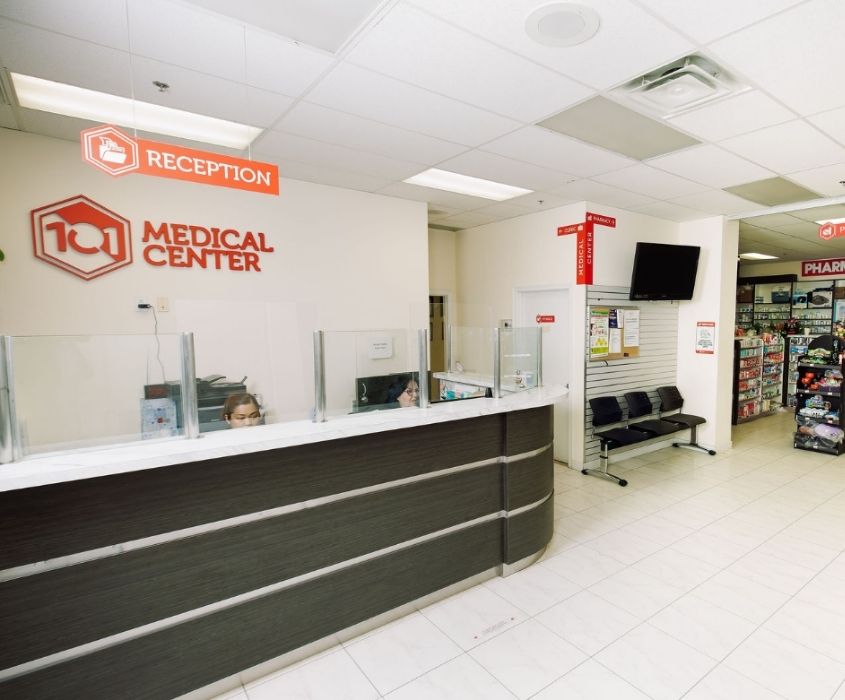
Regain Peace of Mind – Start Your Anxiety Relief Path Now
Visit Our Panic Disorder Clinic in Vaughan
What Information for Our Clients
Frequently Asked Questions
What’s the difference between a panic attack and panic disorder?
A panic attack is a single episode of intense fear or discomfort that comes on suddenly and peaks within minutes. Panic disorder is when those attacks become frequent, unexpected, and start causing ongoing worry about when the next one might happen. The difference lies in how often they occur and how much they impact daily life.
If I experience a panic attack, will I develop a panic disorder?
Not necessarily. Many people experience one or two panic attacks in their lifetime due to extreme stress or a specific situation. Panic disorder develops when the fear of future attacks becomes persistent and begins to change how you live, avoiding certain places, routines, or experiences out of worry that it could happen again.
What causes you to develop panic disorder?
Panic disorder can stem from a mix of biological sensitivity, chronic stress, trauma, or even genetics. Sometimes it starts after a major life change or period of intense pressure. Over time, the body learns to associate normal sensations, like a fast heartbeat, with danger, triggering panic more easily.
How long does a panic attack last?
Most panic attacks peak within about 10 minutes and fade within 20 to 30 minutes, though the emotional aftereffects can linger longer. It can feel endless in the moment, but the physical symptoms always pass, even without intervention.
How do you know whether you are experiencing a panic attack or heart attack?
They can feel very similar, chest pain, shortness of breath, rapid heartbeat, which makes it frightening. A key difference is that panic attacks often include a sense of dread or fear of “losing control,” while heart attacks usually come with more consistent pain or pressure, especially during physical activity. If you’re ever unsure, it’s safest to seek medical attention right away.
A Safe Space for Healing, Balance and Growth.
Don’t Wait – Start Finding Balance with Our Specialists
Your well-being starts with reaching out. Our specialists are here to listen, support, and guide you toward healing and balance.