
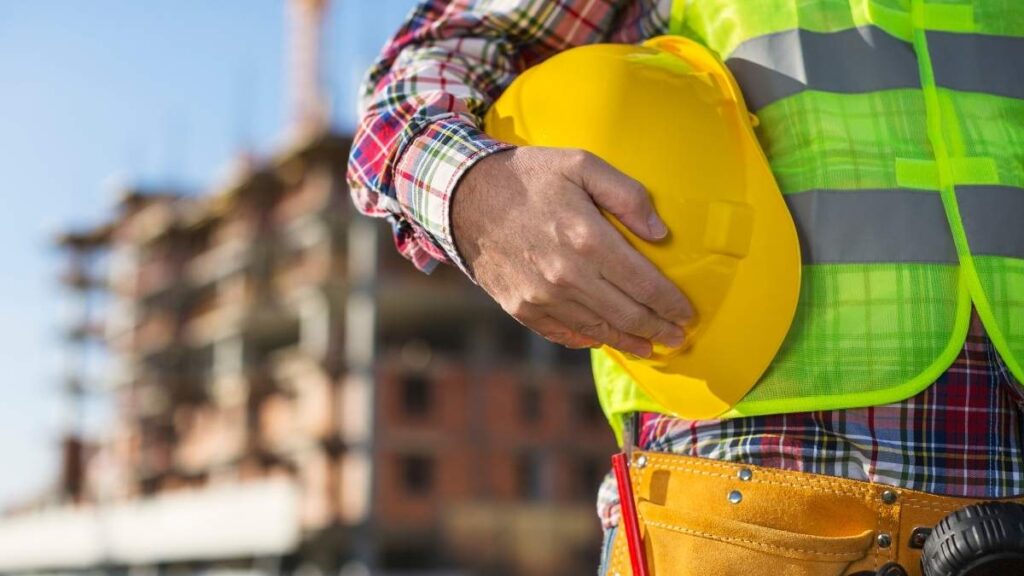
Tradespeople face unique stressors: physical strain, long hours, seasonal instability, and workplace cultures that often value toughness and self-reliance. Over time, this can contribute to mental health stigma – the belief that asking for help is a sign of weakness rather than responsibility. Unfortunately, construction and trade workers experience higher rates of depression, substance use, and suicide compared to many other occupations. Because men make up the majority of this workforce, another layer is added: research shows that men’s mental health symptoms don’t always look like traditional clinical descriptions. Instead of internalizing distress through sadness or worry, many men externalize symptoms through irritability, anger, risk-taking, or physical (somatic) complaints like fatigue, headaches, or chronic pain.
Masculinity itself isn’t the problem – but rigid expectations around it can become a barrier to care. Some men feel pressure to “push through” rather than speak up. At the same time, strengths commonly associated with masculinity – dependability, protecting family, and staying calm under pressure – can actually support resilience and recovery. Mental health support isn’t about weakness; it’s about maintenance, like servicing your tools or equipment. Therapy offers practical, solution-focused strategies for managing stress, improving sleep, processing injuries or trauma, and strengthening relationships at home. At 101 Medical, we provide confidential, down-to-earth care that respects trades culture and works with your strengths – not against them – to support lasting well-being.
References
- Milner, A., et al. (2017). Suicide by occupation: Systematic review. British Journal of Psychiatry.
- Lingard, H., & Turner, M. (2015). Improving the health of construction workers.

Written by