
If alcohol or drugs have started taking up more room in your life than you want them to, talking it through with someone can help you understand why and decide what to do about it. 101 Psychotherapy offers substance abuse counselling and psychotherapy, either at our Vaughan clinic in Concord or by secure video across the province. Clients arrive at every point on the range, some in serious difficulty and many who have simply noticed a habit becoming harder to shift.
- Free 30-minute assessment
- Psychotherapists registered with CRPO and OAMHP
- Alcohol, cannabis and other drugs
- Sessions from $120
- No referral needed
- In person in Vaughan or online across Ontario
What Is Substance Abuse Counselling?
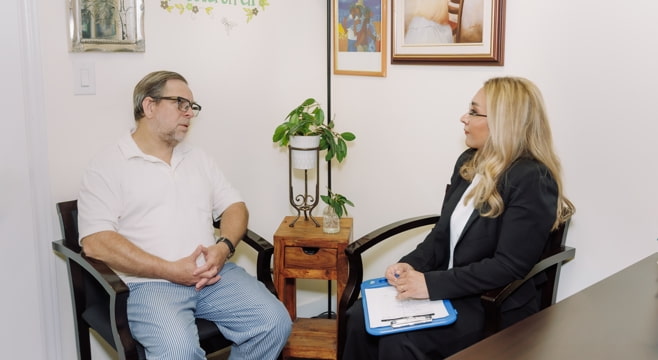
Substance abuse counselling is regular, confidential time with a therapist to look at your use of alcohol or drugs and change what you want to change. You set the goal. For some people that means stopping altogether, and for others it means cutting back or understanding why a habit has become hard to shift. The work tends to cover the same ground whatever your goal: how substance use is affecting your life and what puts you at risk, the thoughts and feelings sitting underneath it, practical ways to manage cravings, and rebuilding a social life that is not organized around using.
When Drinking or Drug Use Needs Support
You do not need to reach a particular point before this is worth discussing. CAMH describes the harms of substance use as a range, from mild ones such as a hangover or being late for work through to severe ones such as illness or losing your housing, and notes that the consequences build up over time even when each occasion seems to have little impact.
The signs that usually bring people in are ordinary ones. You set yourself a limit and go past it. You need more than you used to for the same effect. You arrange the day around when you can use. Money goes there before it goes anywhere else. You cannot always remember the evening clearly. You see less of the people who used to be close to you. If two or three of those are familiar, that is reason enough to talk to someone.
How CBT Is Used for Substance Use
When people ask which therapy is used for substance use, the answer they usually find is cognitive behavioural therapy, and it is the approach we draw on most often here. In this context, CBT means identifying the feelings and situations that lead to heavy use, and building better ways to handle the stress that pulls you back towards it. The work is aimed at the moment before the decision rather than at the decision itself.
CBT is not the only approach that helps, and there is no single method that suits everyone. What fits depends on how serious the problem is, what support you have around you, and what you actually want to change. Our clinicians also draw on motivational interviewing, dialectical behaviour therapy and mindfulness-based work.
101 Psychotherapy – Always caring, always here
Alcohol Counselling
Drinking is one of the most common reasons people contact us about substance use. It is rarely dramatic, and it often starts as a glass in the evening that has quietly become several, most nights, with a growing sense that stopping is harder than it should be.
The National Institute on Alcohol Abuse and Alcoholism describes alcohol counselling as working with a professional to identify and change the behaviours that lead to alcohol problems. In practice that means developing the skills to stop or cut down, setting goals you can reach, building the support around you, and coping with or avoiding the triggers that lead back to drinking.
NIAAA warns that stopping suddenly after a long period of heavy drinking can cause a withdrawal that is painful and potentially life-threatening, and that medical help should be part of planning a safe stop. If that may apply to you, please speak to a doctor first.
Drug and Substance Use Counselling
We also work with cannabis, cocaine, stimulants, opioids and prescription medication that has stopped being something you control. The starting point is the same as it is with alcohol: what the substance does for you, what it costs you, and what would need to change.
Substance use often sits alongside something else. It might be trauma, difficulty with attention, or a mood that drops without something to lift it. Where that is the case we work with the whole picture rather than the substance alone, and you can read more on our pages about anxiety, depression and ADHD.
Simple, Affordable Pricing
Fees for substance abuse counselling at 101 Psychotherapy open at $120. The initial half-hour carries no charge and no obligation, which lets you judge whether the therapist is right for you before any money changes hands. Sessions with a Registered Psychotherapist are not covered by OHIP. Many extended health plans reimburse them, and we issue receipts you can submit.
Book a Free ConsultationMeet Your Therapists
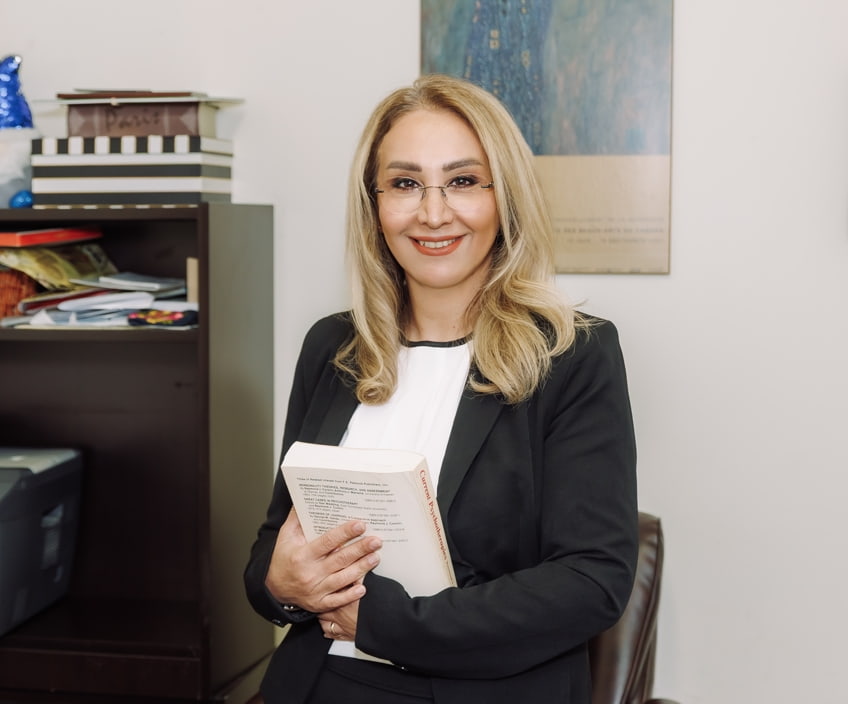
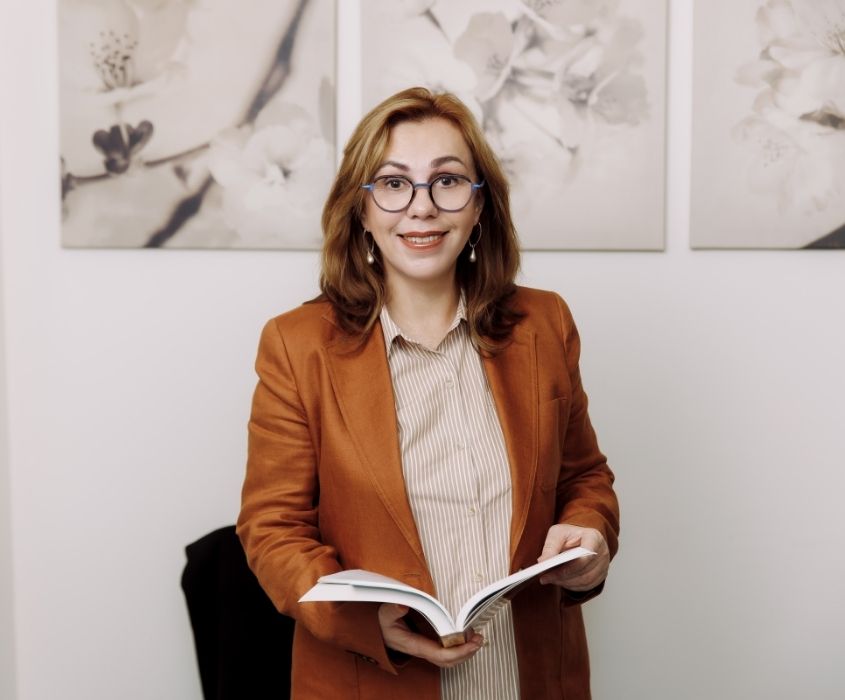
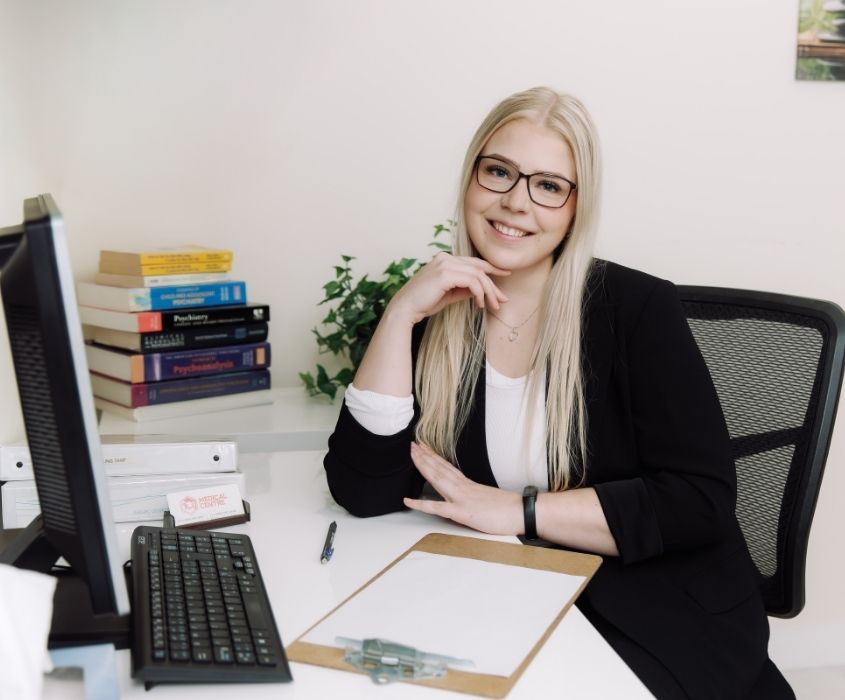
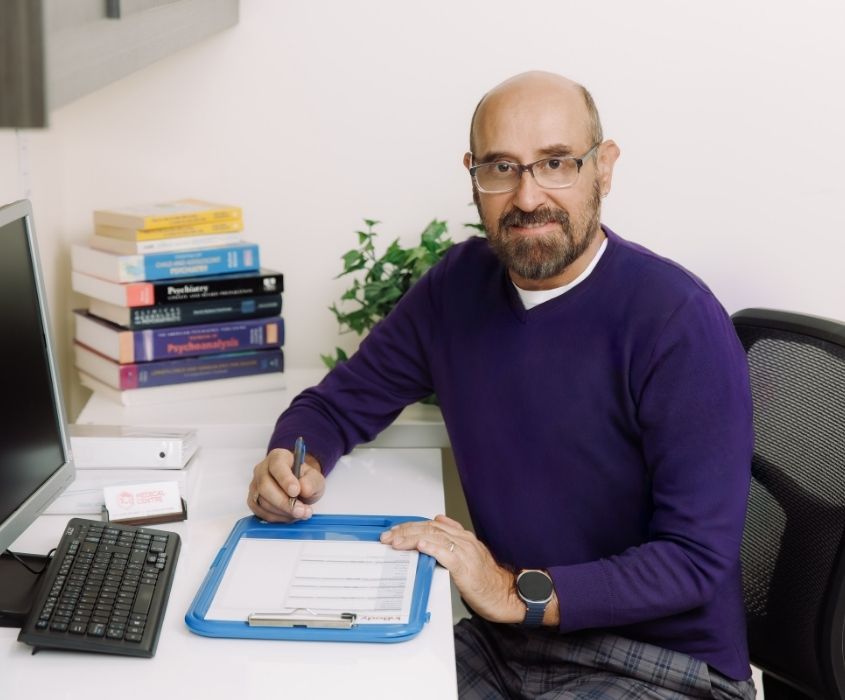
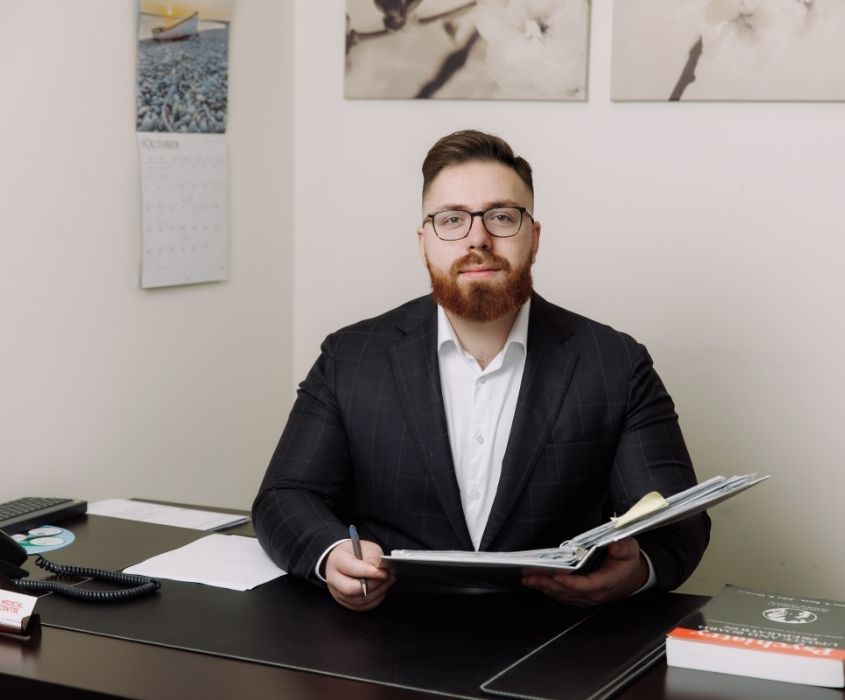
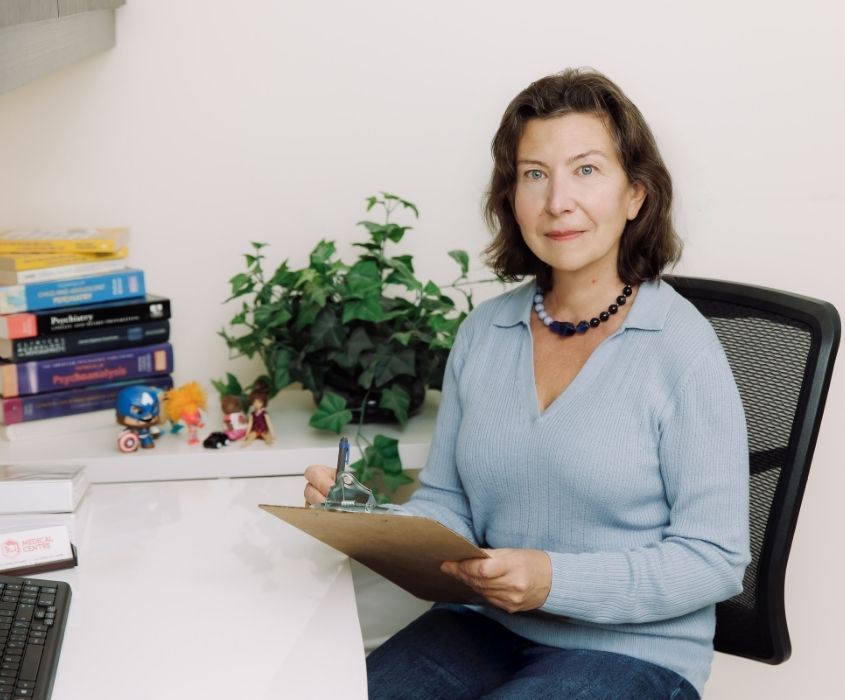
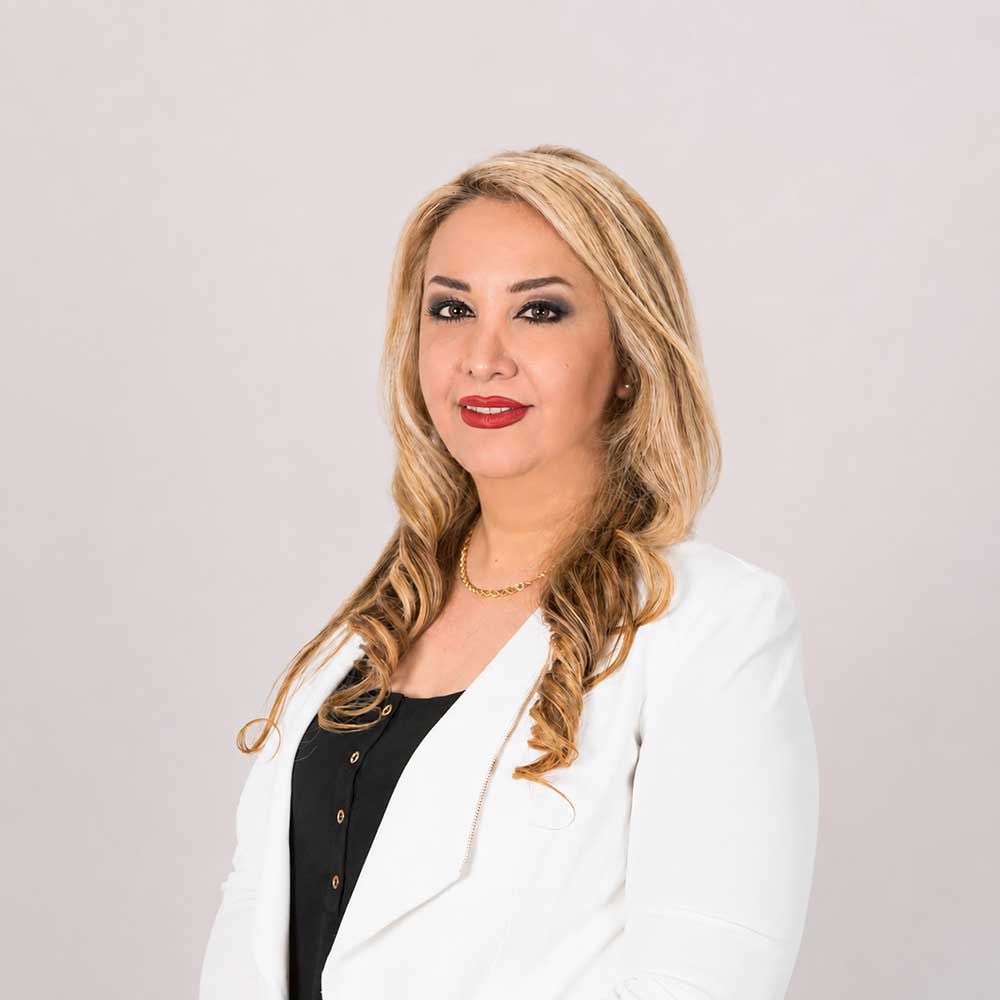
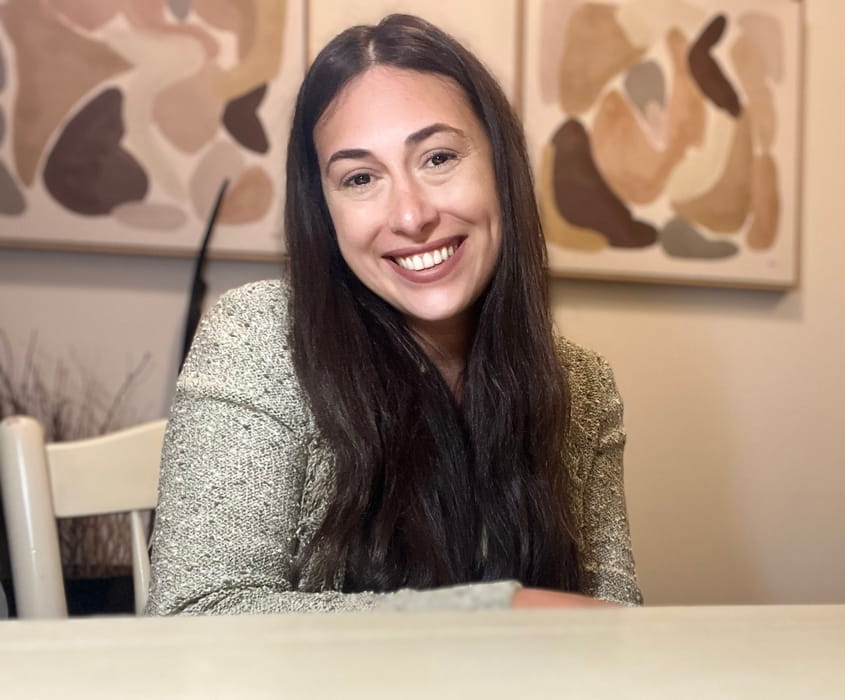
Our clinicians are experienced mental health professionals, including psychotherapists registered with the CRPO. Sessions are available in Russian. Addiction and substance-use counselling is also available in Farsi (Persian) with Pary Roshany, RP.

Substance Abuse Therapy in Vaughan or Online Across Ontario
You can see us at our Vaughan clinic or by secure video anywhere in Ontario. The choice is yours, and you can change it later. Many people find online sessions easier for this subject, because there is no waiting room and no journey to reconsider on the way. Others prefer to come in, particularly at the start, when leaving the house and sitting in a room with someone is part of what helps.
We're here to support individuals and families across Vaughan, including Concord, Woodbridge, and Maple, and in nearby communities such as Aurora, Brampton, Markham, Mississauga, Milton, Oakville, Oshawa, and Richmond Hill, as well as Thornhill. We also welcome clients from across Toronto, including North York, Midtown, and Uptown Toronto. If you can't make it to our office, we offer virtual appointments across Ontario.
Visit us: 1520 Steeles Ave W #101A, Vaughan, ON L4K 3B9 (Steeles & Dufferin, Concord). Phone: (905) 597-2521
Frequently Asked Questions
What Are the 4 C's of Substance Abuse?
CAMH describes addiction through four Cs: craving, loss of control over how much or how often you use, compulsion to use, and use that continues despite the consequences. It is a way of describing addiction rather than a test. Many people who benefit from counselling would not recognize all four, and you do not need to before booking.
What Type of Therapy Is Used for Substance Abuse?
Most often cognitive behavioural therapy, which focuses on the feelings and situations that lead to heavy use and on handling the stress that pulls you back. Motivational interviewing, DBT and mindfulness-based approaches are also used. No single method suits everyone, and what fits depends on how serious the problem is, the support you have, and what you want to change.
How Does Counselling Help With Drinking?
It gives you a regular hour to work out what the drinking is doing for you and what it is costing, and to build the skills to change it. That covers spotting your triggers, setting goals you can reach, and having somewhere to be honest about how it is going. You do not need to have decided to quit before you start.
How Can I Help Someone Close to Me?
You cannot make the decision for them, and trying usually costs you both. What tends to help is staying in contact, keeping the relationship separate from their drinking, and looking after yourself in the meantime.
What Are the 4 Stages of Substance Abuse?
Descriptions vary, but they generally run from experimenting, to regular use, to risky or problem use, and then to dependence. It is more useful to think of harms on a range from mild to severe that build up over time than as fixed stages. Nobody moves along it inevitably, and people ask for help at every point on it.
Book Your Appointment Today
You do not have to have decided anything before you book. The first 30 minutes are free, and working out whether you want to change anything is a perfectly good use of them.