
A phobia is a fear that has outgrown the risk in front of you. Phobia therapy narrows that gap on purpose, using cognitive behavioural therapy and graded exposure: a written plan you sign off on first, then steps small enough that each one is takeable. Specific phobias answer to this kind of structure. You do not have to feel ready to face anything in order to begin.
- Clinicians registered with CRPO and OAMHP
- No charge for the first 30 minutes
- From $100 per session
- Exposure planned at your pace
- No referral needed
- English, Russian and Farsi
What Makes a Fear a Phobia
Most people have fears. Heights, needles, spiders, turbulence: disliking something is ordinary, and it usually costs you nothing.
A phobia is different in three ways. The fear is out of proportion to the actual risk. It does not fade with time. And it changes what you do. CAMH describes a specific phobia as an intense and unreasonable fear or anxiety about an object or situation, and classes it as a type of anxiety disorder.
The signs group into three kinds. Thoughts that arrive already certain: the dog will bite me, this plane will fall. Body responses: a racing heart, sweating, muscle tension, dizziness. And behaviour: avoiding the thing, or needing to get away fast when avoiding is not possible.
The Fears We Work With
CAMH groups specific phobias into five kinds, which is a practical way to find yourself on the list.
- Animals and insects. Dogs, spiders, snakes, wasps, mice.
- The natural environment. Heights, storms and thunder, deep water, the dark.
- Blood, injections and injury. Needles, blood draws, dental appointments, medical care you have been putting off.
- Situations. Flying, driving on Highway 400 or the 407, elevators, tunnels, bridges, enclosed spaces (claustrophobia).
- Other. Choking, being sick, loud noises.
A phobia rarely arrives alone: it often sits beside general anxiety, and it tends to cost more than its subject would suggest.
Agoraphobia, though, is a different diagnosis. It is fear of situations where escape feels impossible if panic starts, which ties it to panic rather than to any single object.
Why Avoiding It Makes a Phobia Stronger
Avoidance works, and that is the problem with it. Cross the road away from the dog and the fear drops within seconds, which teaches your nervous system that avoiding was the thing that kept you safe. Repeat that a few hundred times and the fear is no longer really about dogs. It is about the relief. Over months the rules multiply. Not that street. Not that lift. Not that job, because of the flight. Most people come to therapy not because the fear got worse but because the workarounds did.
101 Psychotherapy – Always caring, always here
How Phobia Treatment Works at 101 Psychotherapy
Specific phobia treatment is unusually well defined, which is not true of every mental health difficulty. The Canadian Psychological Association’s fact sheet on phobias gives the treatment of choice as cognitive behaviour therapy, focused on slowly and safely approaching what a person fears, and says specific phobias are considered the most treatable of the anxiety disorders.
Cognitive Behavioural Therapy for Phobias
Cognitive behavioural therapy is the frame the rest of it sits inside. The cognitive half works on the prediction, because a phobia is usually held in place by one: the dog will bite, the lift will stick, the plane will fall. You test that prediction against what actually happens, rather than being told it is irrational.
The behavioural half is the exposure work below. CAMH names cognitive behavioural therapy as an effective treatment for anxiety disorders including specific phobias, and describes exposure therapy, a form of behavioural therapy, as often used to treat them.

Graded Exposure and Systematic Desensitization
Exposure does not mean being confronted with what you fear. It means building a list, from the least frightening version of the situation to the worst, then working up it at a pace you set. The American Psychological Association calls this graded exposure, and describes constructing an exposure fear hierarchy in which feared situations are ranked by difficulty, starting with mildly or moderately difficult ones and progressing to harder ones. Here, you build that list with your therapist.
When each step is paired with relaxation, so the situation gets associated with being calm rather than braced, that is systematic desensitization. Some people know it as desensitization therapy. Both names describe one idea: repeated, planned contact, long enough and often enough for the fear to come down on its own.
Exposure takes more than one form. In vivo means the real situation. Imaginal means vividly imagining it, which helps when the real thing cannot be arranged. Interoceptive means deliberately bringing on the physical sensations, which matters when part of what you fear is your own racing heart.
The Canadian Psychological Association reports that most people with a phobia can achieve significant improvement in as few as one to five sessions.
Why Facing a Fear in Steps Works
This is the part most pages skip. The American Psychological Association says exposure is thought to help in several ways, and names these four among them. Knowing them makes the work easier to commit to.
- Habituation. Over time, people find their reactions to the feared thing decrease.
- Extinction. Exposure can weaken a previously learned association between the situation and a bad outcome.
- Self-efficacy. It can show you that you are capable of confronting the fear and can manage the anxiety, which is a different thing from being told you can.
- Emotional processing. You can learn to attach new and more realistic beliefs to the situation, and become more comfortable with the experience of fear itself.
None of that asks you to be brave on day one. It asks the steps to be small enough that you can stay in each one long enough for something to change.
When Exposure Is Not the Right Place to Start
Exposure is first-line for specific phobia. It is not always where to begin.
If you are in crisis, or thinking about harming yourself, that takes priority over any of this. Call or text 9-8-8 for the Suicide Crisis Helpline. In an emergency, 9-1-1.
Where the real subject is panic, and what gets avoided is the panic rather than an object, the method changes. See panic disorder therapy.
Where it began with a frightening event that still intrudes, settling that tends to come first.
Where alcohol or another substance is currently doing the managing, addiction counselling is the more useful entry point.
We would say so during the free assessment, not after a paid session.
What Phobia Therapy Costs in Vaughan
Phobia therapy sessions at 101 Psychotherapy start at $100. Your first 30 minutes cost nothing, and they go on assessment rather than persuasion: you describe what you avoid, you hear how the steps would be shaped, you say whether to carry on. No referral is needed to book.
Sessions with a Registered Psychotherapist are not covered by OHIP. Most workplace and extended health plans pay a share, receipts come as standard for your claim, and psychotherapy qualifies as a medical expense at tax time in Canada.
Book Your Free AssessmentWho You Would Be Working With
A phobia narrows the question of fit. What counts is whether someone is comfortable working with the particular thing you avoid, so name it early and we will match on that rather than on whoever has the next opening.



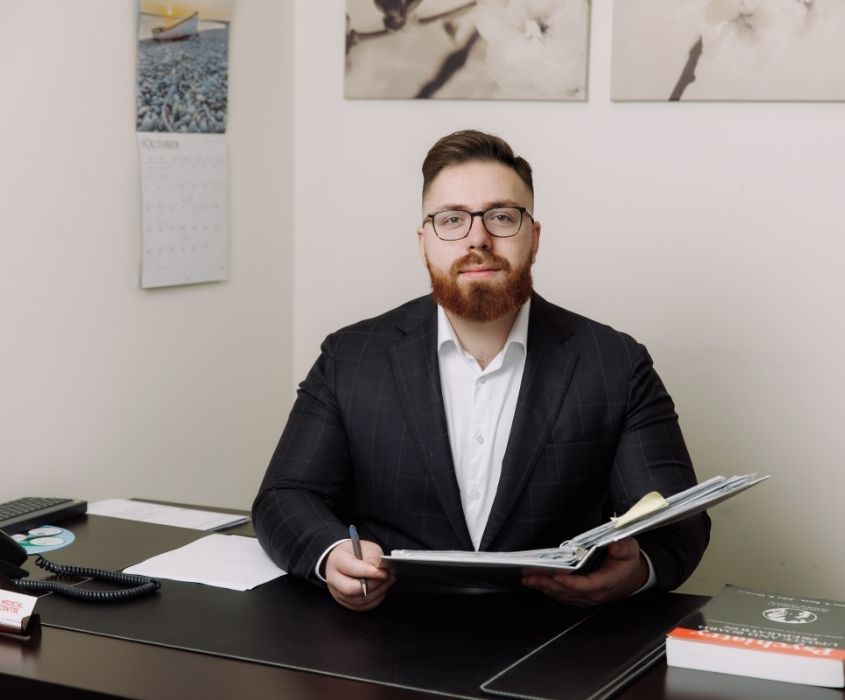


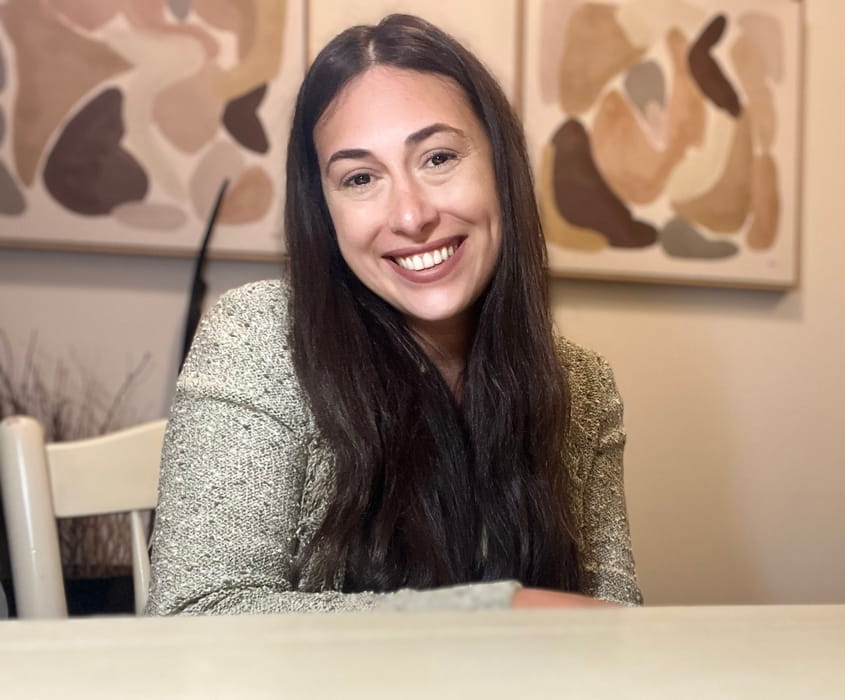
Natalie Besharat
Clinician, Pediatric Care and Addictions Specialist, MSc, CCAC, CICAPP Candidate
Full profile
Phobia Therapy for Vaughan, Woodbridge, Thornhill and Maple
We're here to support individuals and families across Vaughan, including Concord, Woodbridge, and Maple, and in nearby communities such as Aurora, Brampton, Markham, Mississauga, Milton, Oakville, Oshawa, and Richmond Hill, as well as Thornhill. We also welcome clients from across Toronto, including North York, Midtown, and Uptown Toronto. If you can't make it to our office, we offer virtual appointments across Ontario.
Visit us: 1520 Steeles Ave W #101A, Vaughan, ON L4K 3B9 (Steeles & Dufferin, Concord). Phone: (905) 597-2521
Frequently Asked Questions About Phobia Therapy
What are the symptoms of a phobia?
Phobia symptoms fall into three groups. Thoughts that arrive as certainties rather than possibilities, such as the dog will bite me or this plane will fall. Physical responses: a racing heart, sweating, muscle tension, dizziness, sometimes feeling faint. And behaviour: avoiding the object or situation, or a strong pull to escape when avoiding is not possible. CAMH sets out the same three groupings. What separates this from ordinary fear is that it is out of proportion to the risk, it persists, and it changes your decisions.
Will you ask me to face my fear straight away?
No. Nothing happens that you have not agreed to first. The early sessions go on understanding the fear and building the list of steps, and you decide where on that list the work begins. Steps get harder only once the previous one has stopped being difficult, and if a step turns out to be too big we make it smaller. That pacing is not a courtesy. It is how the method works.
Can CBT be used to treat phobias?
Yes, and it is the usual answer. CAMH’s guidance on treating specific phobias names cognitive behavioural therapy as an effective treatment for anxiety disorders including specific phobias, and the CPA describes that treatment as focused on gradually and safely approaching what a person fears. So exposure is part of the CBT rather than a separate treatment. In practice you get both: work on the predictions holding the fear in place, and planned contact with the situation itself.
Is there a medication for phobias?
We do not prescribe. People often look for a medical treatment for phobias, and the honest answer is that talk therapy is the first-line option: the Canadian Psychological Association states that medications are generally not considered effective for treating specific phobias. Low doses of anti-anxiety medication are sometimes prescribed for a single predictable situation such as a flight, though the CPA notes this does not remove the fear itself. Either way it is a matter for a physician rather than for us. Should it become relevant, 101 Medical Centre shares this Vaughan address: primary care, or psychiatry on a physician’s referral.
Do I need a referral to start phobia therapy in Vaughan?
No. You can see a phobia therapist here without one. Booking is direct, the free half hour comes first, and appointments run weekdays plus Saturday mornings, in Concord or by secure video. English, Russian and Farsi are all available.
Book a Free 30-Minute Assessment
Booking does not commit you to facing anything. The free half hour is for describing what you avoid and hearing how a step plan would be shaped around it. From $100 a session after that, no referral, in person in Vaughan or by secure video anywhere in Ontario.