
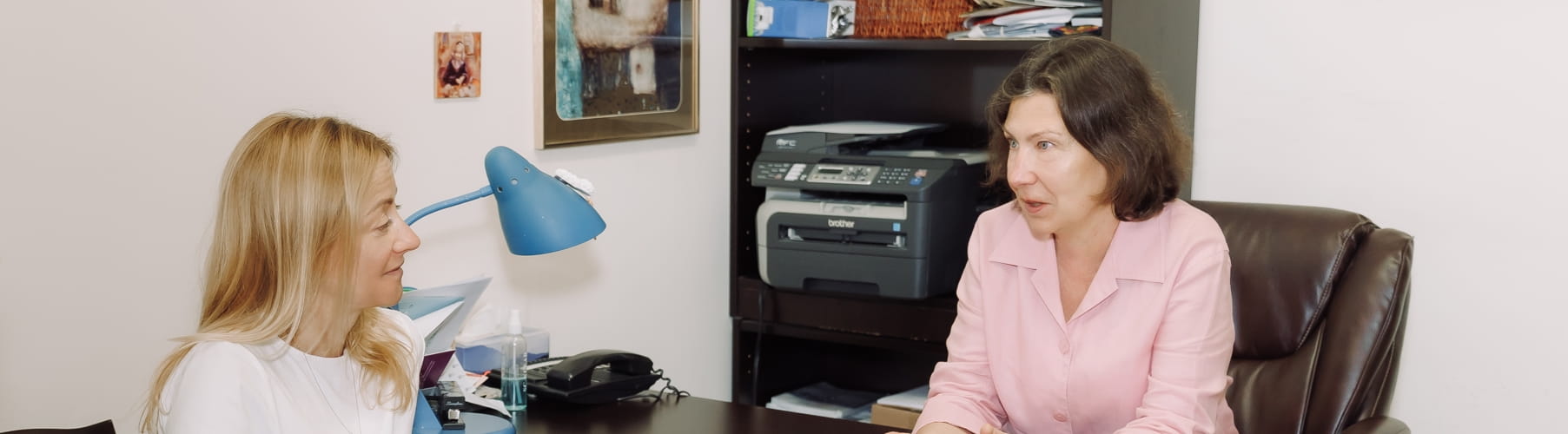
Something happened, and you are not the same afterwards. Maybe you can point to the day. Maybe there was no single day, just years of something that felt ordinary enough at the time that it never got a name. Either way the effects are still in the room: the flinch, the broken sleep, the flatness where feeling used to be. Trauma therapy at 101 Psychotherapy is for adults in Vaughan and across Ontario who want to put that down. Booking does not require you to have decided first what to call it.
- Free 30-minute assessment
- Sessions from $100
- Clinicians registered with CRPO and OAMHP
- You set the pace throughout
- No pressure to describe it
- In Vaughan or by secure video

What Counts as Trauma
People talk themselves out of trauma therapy by comparing. Someone else had it worse. It was years ago. Other people went through the same thing and seem fine.
That comparison does not hold up clinically. In how CAMH defines trauma, the Centre for Addiction and Mental Health describes it as the challenging emotional consequences that living through a distressing event can have, and notes that traumatic events can be difficult to define, because the same event may be more traumatic for some people than for others.
So the useful question is not whether what happened was bad enough. It is what it did to you, and what it is still doing. If you flinch at things that used to be ordinary, if your sleep broke and never came back, if you feel switched off from people you love, that is worth bringing into a room, whatever the cause looks like written down. Therapy for trauma starts from what you are living with now, not from a ranking of events.
Trauma and anxiety overlap a good deal, and one practical difference is where the mind keeps going: back to something that happened, or forward to something that might. If it is mostly forward, anxiety therapy may be the closer fit.
When Trauma Turns Into PTSD
What happens next is what separates a hard memory from a disorder. CAMH puts it this way in its page on trauma: when thoughts and memories of the traumatic event do not go away or get worse, they may lead to post-traumatic stress disorder, which can seriously disrupt a person’s ability to regulate their emotions and maintain healthy relationships.
There are two forms. A single traumatic event is most likely to lead to what is called simple PTSD. Complex PTSD tends to result from long-term, chronic trauma, and it can affect a person’s ability to form healthy, trusting relationships.
For a sense of scale, Canadian data on traumatic events from the Survey on Mental Health and Stressful Events, run by Statistics Canada with the Public Health Agency of Canada in 2023, found that about 63% of adults in Canada had been exposed to a potentially traumatic event at some point in their lives, and that about 8% reported moderate to severe symptoms of PTSD in the month before the survey.
Two findings in that survey are worth stating plainly, because they are the two people most often get backwards. Not everyone who experiences a traumatic event will develop PTSD. And symptoms of PTSD can emerge weeks, months, or even years after the event, which is why “that was ages ago” is a weaker argument against therapy than it sounds.
One caution on those numbers, which the researchers give themselves: they come from a screening tool. Moderate to severe symptoms do not necessarily mean a person meets the criteria for a formal diagnosis, and the survey notes that a diagnosis requires clinical interviews and evaluation by a licensed health professional.
Where the body reacts before the mind catches up, with a pounding heart or a certainty that something terrible is about to happen, our panic disorder therapy page covers that pattern in more detail.
One Event, or Years of Them
A traumatic experience tends to arrive in one of three shapes. Something recent and singular, such as a crash or an assault. Something singular that happened long ago. Or a long-term, chronic pattern, such as ongoing neglect or abuse.
The third kind is the harder one to name, and the one people put off longest. It is the territory of childhood trauma and of complex trauma. There was no accident and no obvious before and after. There was a childhood, or a marriage, or a workplace, and an accumulation of things that were not survivable so much as endurable. Childhood trauma therapy and complex trauma work both run slower here, and stay more concerned with steadiness and safety than with getting through an account of events.
101 Psychotherapy – Always caring, always here
How Trauma Therapy Works
Trauma-informed therapy is not general counselling under a different name. CAMH describes trauma-informed care as an approach tailored to the experience of someone coping with PTSD, one that understands the symptoms of trauma as coping strategies that developed in reaction to a traumatic experience. Staying on alert, avoiding certain streets, going numb in conversations that matter: in that frame those are read as things that once kept you safe and have outlasted their usefulness, not as faults to correct.
In a session it means nothing is forced. You will not be asked to narrate the worst thing that ever happened to you, in the first session or the fifth. Much of the work is about what your mind and body are doing now. Sessions are one to one, and the early part usually goes on building enough footing to make the rest possible.
As for method, CAMH names several common approaches to trauma therapy: cognitive behavioural therapy, psychodynamic therapy, sensorimotor therapy, eye movement desensitization and reprocessing, and medication. It presents them as approaches in common use rather than as a ranking, and neither do we. Cognitive behavioural therapy is the training most widely held here.
If you are ever worried about your immediate safety, 9-8-8, the Suicide Crisis Helpline takes calls and texts at any hour.

What Trauma Therapy Costs at 101 Psychotherapy
The first 30 minutes are free, and after that trauma counselling here begins at $100 a session. People often use that half hour to ask the thing they feel embarrassed asking: whether what happened to them is the sort of thing this is even for. It is a fair question, and the answer is short either way. If this is not the right place, we will say so and point you somewhere better.
Sessions with a Registered Psychotherapist are not covered by OHIP. Extended health plans frequently do reimburse psychotherapy. Nothing here requires a referral.
Book a Free ConsultationOur Clinicians


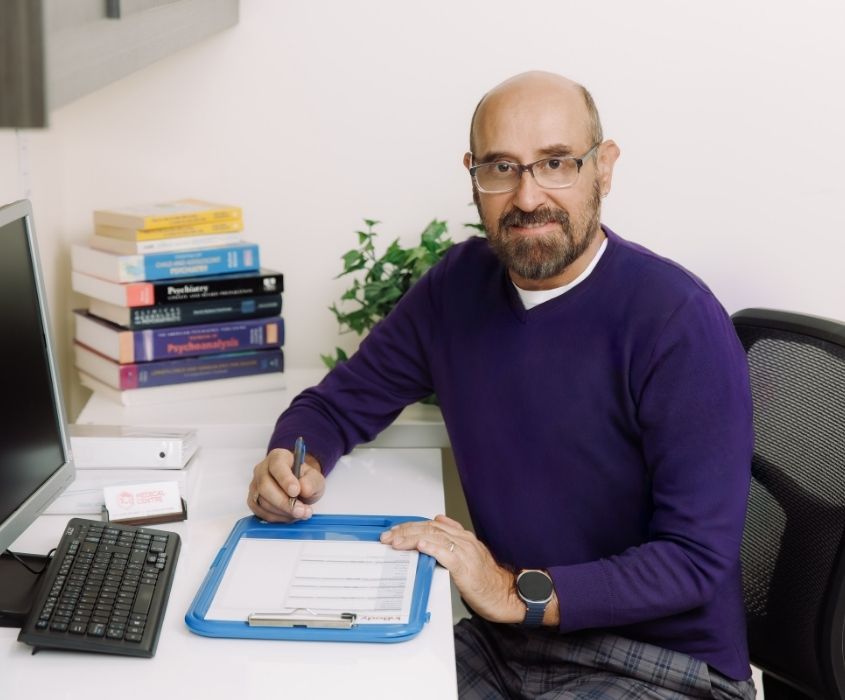
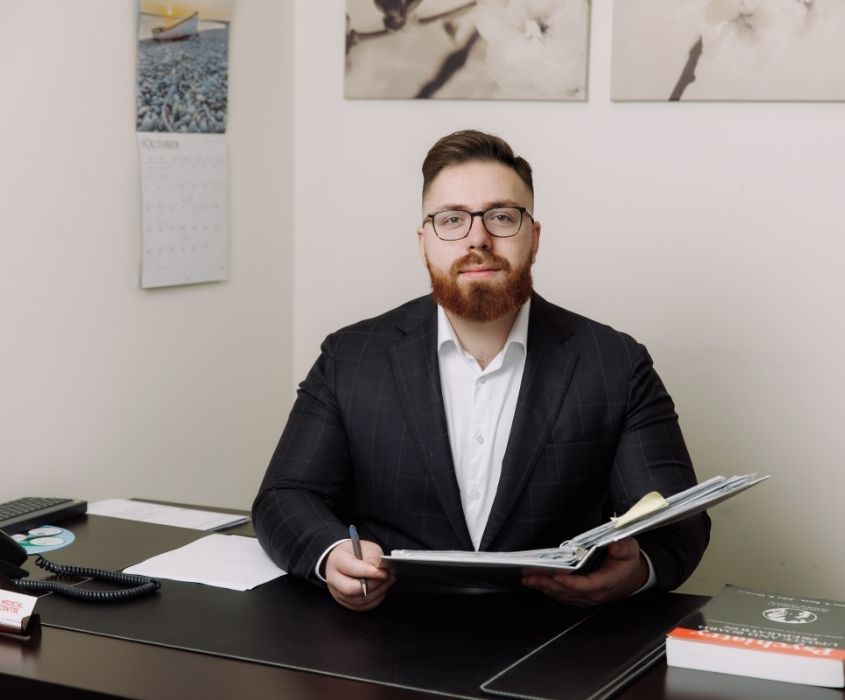


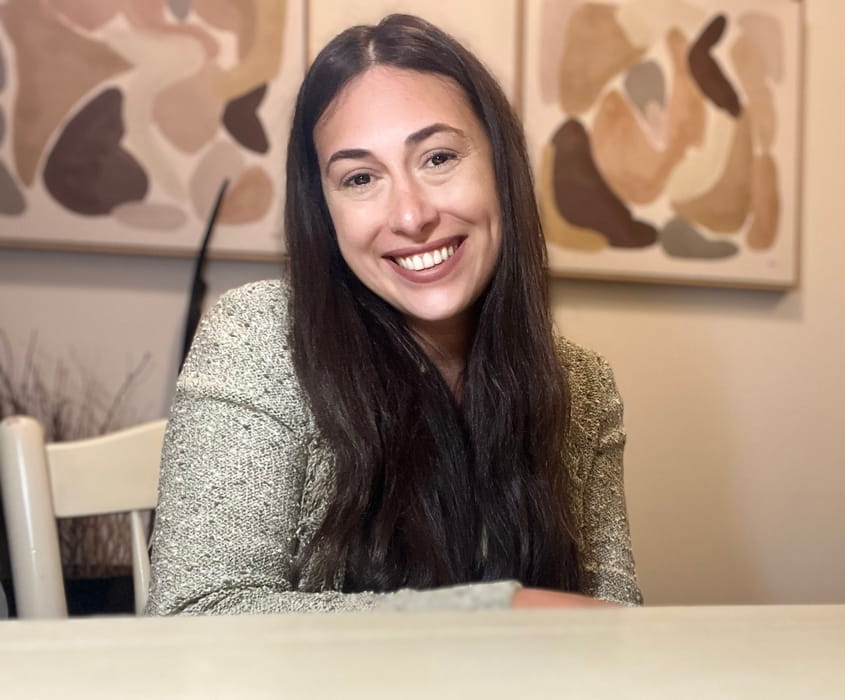
Natalie Besharat
Clinician, Pediatric Care and Addictions Specialist, MSc, CCAC, CICAPP Candidate
Full profile
Trauma Therapy in Vaughan, and Online Across Ontario
We're here to support individuals and families across Vaughan, including Concord, Woodbridge, and Maple, and in nearby communities such as Aurora, Brampton, Markham, Mississauga, Milton, Oakville, Oshawa, and Richmond Hill, as well as Thornhill. We also welcome clients from across Toronto, including North York, Midtown, and Uptown Toronto. If you can't make it to our office, we offer virtual appointments across Ontario.
Visit us: 1520 Steeles Ave W #101A, Vaughan, ON L4K 3B9 (Steeles & Dufferin, Concord). Phone: (905) 597-2521
Frequently Asked Questions About Trauma and PTSD Therapy
What counts as trauma?
Any event that was overwhelming, physically or emotionally, and left lasting effects. There is no severity threshold to clear first, because the same event may be more traumatic for one person than for another. If something is still shaping how you sleep, react or relate to people, it is worth bringing to a session, whatever it looks like next to somebody else’s.
What are the signs of trauma in adults?
The ones that come up most often are intrusive memories or nightmares, avoiding people and places that bring the event to mind, staying permanently on alert, sleep that will not settle, irritability, and a sense of distance from people you are close to. None of that has to arrive straight after the event, and a long gap does not mean the two are unconnected.
Do I have to describe what happened?
No. You decide what is said and when. Much of this work is about what your mind and body are doing now, which does not require a detailed account of the event. If talking about it directly becomes useful, it happens at your pace and with preparation first.
What kind of therapist helps with PTSD?
There is no separate licence for a PTSD therapist in Ontario. Most people see a registered psychotherapist, a psychologist or a social worker, and no referral is needed for any of them. What matters is whether trauma work is part of what that person actually does, which is one of the things the free consultation establishes.
Which therapy is used for trauma and PTSD?
CBT is the usual starting point here, and depending on your therapist the work may also draw on psychodynamic or somatic approaches.
Is trauma therapy covered by OHIP?
Sessions with a Registered Psychotherapist are not covered by OHIP. Private and workplace insurance is the route most people use for trauma and PTSD counselling, so read your policy for the exact job title it names. Here the first 30 minutes cost nothing and sessions begin at $100.
Talk to a Trauma Therapist in Vaughan
Nothing needs to be organized in your head first, and what happened to you does not have to clear some bar. Half an hour, at no cost, is enough to find out whether this is the right room. Sessions run in person at our Concord clinic, or by secure video from anywhere in Ontario.